Understanding Personality Development
The Best Modern Ways to Create a Strong Personality for Your Child
Helping your child develop a strong personality is one of the most valuable gifts you can give them. It doesn’t just shape how they interact with the world—it builds confidence, resilience, and the ability to make smart choices. The earlier you start focusing on this, the greater their chances for success in all areas of life.
Here’s how you can approach building a strong personality in your child using modern, practical methods.
Understanding Personality Development
A child’s personality isn’t formed in a vacuum. It’s influenced by multiple factors, including genetics, environment, and parenting styles. Understanding these influences can help you create the right environment for growth.
The Role of Genetics
Genetics sets the foundation for a child’s personality. A child can inherit certain traits, such as temperament, emotional response, and energy levels, from their parents. For instance, a naturally introverted child may need different support than an extroverted one. However, genetics is just one piece of the puzzle. While inherited traits are significant, they can be nurtured and balanced with the right guidance.
Environmental Influences
The environment your child grows up in has a profound impact on their personality development. From their home and school to peer groups, every surrounding shapes how they see the world and themselves. Activities that encourage teamwork, exploration, and creativity allow them to develop a broader perspective. Their experiences—and how you help them navigate these—form the building blocks of their character.
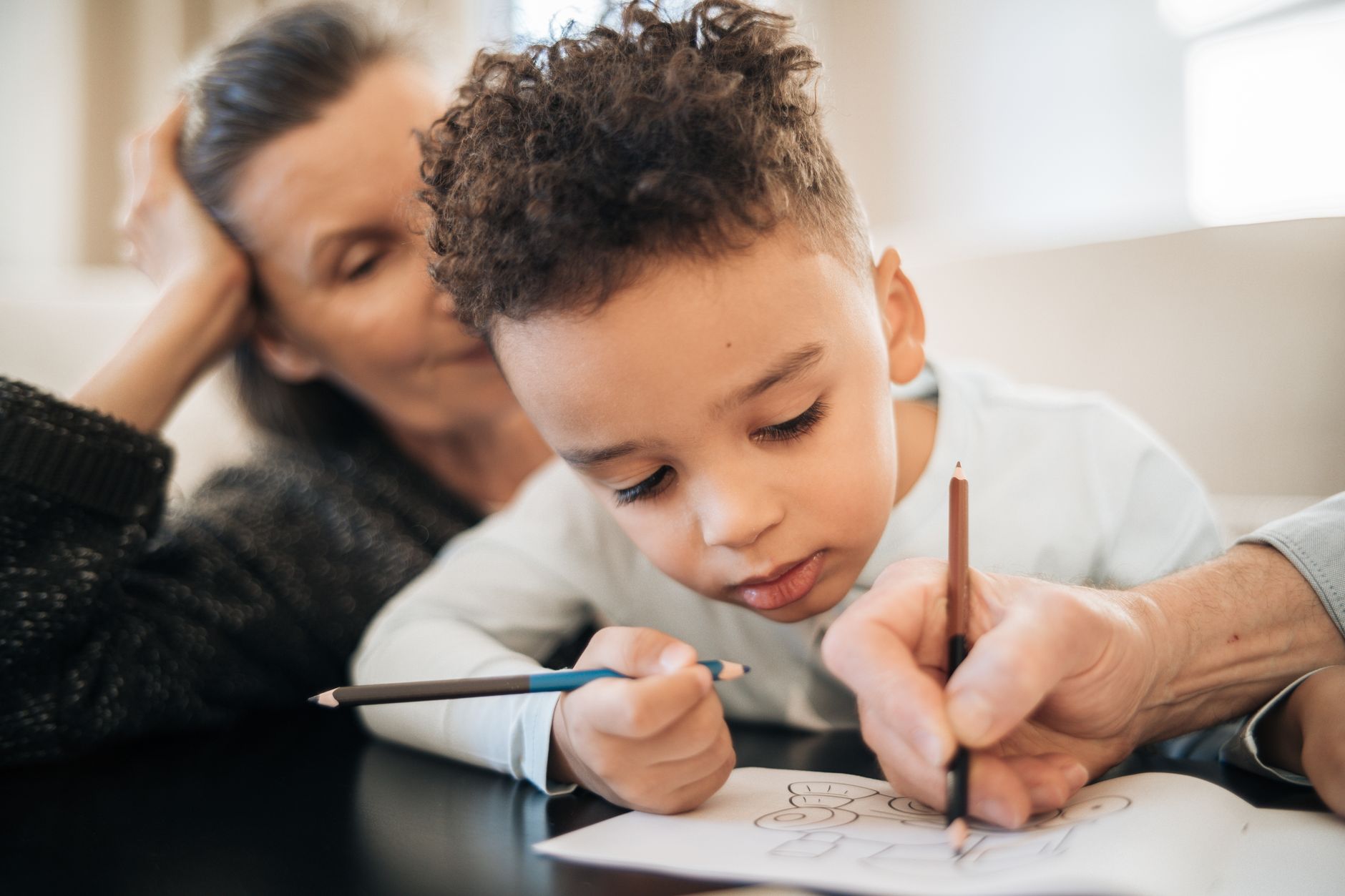
Photo by Mikhail Nilov
The Impact of Parenting Styles
Parenting approaches can greatly mold a child’s personality traits. Authoritative parenting—combining warmth with clear boundaries—tends to foster confidence and independence. On the other hand, overly strict or overly permissive approaches can undermine development. Encouraging open communication and maintaining consistency in your actions helps your child feel secure, which allows their true personality to shine.
Encouraging Positive Traits
It’s not enough to avoid harmful influences—you need to actively nurture positive traits in your child.
Promoting Confidence and Self-Esteem
Confidence is a cornerstone of a strong personality. To build this, let your child try new things and celebrate their efforts—not just their successes. Simple tasks like allowing them to dress themselves or participate in family decisions can boost their sense of capability. Affirmation is key here. Phrases like “You did a great job” encourage them to value their abilities.
Developing Empathy and Social Skills
Empathy helps children connect with others. Role-playing activities, such as pretending to be someone else and imagining their feelings, offer a playful yet powerful way to teach compassion. Actively involving children in group projects or social interactions further develops their ability to cooperate and communicate effectively.
Cultivating a Growth Mindset
.png)
A growth mindset teaches children to see challenges as opportunities for learning rather than threats.
Encouraging Resilience in Challenges
Setbacks are inevitable, but how a child faces them is what matters. Help them reframe failures as lessons. If they struggle with a math problem, remind them it’s something they’ll improve on with practice. Your reaction to their challenges—whether through comfort or reassurance—guides them toward resilience.
Fostering a Love for Learning
Children are naturally curious. Fuel this curiosity by offering them opportunities to explore. Books, puzzles, and hands-on activities are perfect for introducing new ideas. Focus less on rewards and more on their sense of discovery. When learning becomes exciting, they’ll carry that passion throughout life.
Promoting Independence and Decision-Making
Independent decision-makers form stronger, more adaptable personalities. Encourage small choices that grow into greater responsibility.
Setting Age-Appropriate Responsibilities
Children thrive when they’re trusted with tasks they can handle, such as making their bed or helping with cooking. Age-appropriate responsibilities teach accountability and give them a sense of accomplishment.
Encouraging Problem-Solving Skills
Critical thinking is crucial for independence. Engage your child in problem-solving games and activities. Ask questions like, “How do you think we can fix this?” instead of offering a solution outright. These exercises instill confidence in their ability to think through challenges on their own.
Conclusion
Raising a child with a strong personality takes time, effort, and consistent nurturing. From understanding the factors that shape their character to encouraging traits like confidence, empathy, and independence, every step you take builds their foundation for a fulfilling life.
As they grow, these qualities prepare them to face the world with confidence, kindness, and curiosity. Investing in your child’s personality development isn’t just shaping who they are today—it’s setting them up for a lifetime of success and positive interactions.


تعليقات